
Key Takeaways
- LED lights offer energy-efficient and cost-effective alternatives to solar monument lights, reducing maintenance needs and environmental impact.
- Motion sensor technology ensures lighting only activates when needed, conserving energy and extending light source longevity.
- Waterproof, durable designs make non-solar powered lights suitable for outdoor environments, providing reliable illumination.
- Integrating smart controls allows for customizable lighting shows, enhancing aesthetic appeal and security measures.
- Explore eco-friendly options like recycled materials or bioluminescent alternatives for a sustainable monument lighting solution.
- Professional landscape designers can offer tailored recommendations based on specific monument size, location, and desired ambiance.
- Regular maintenance checks on traditional lighting fixtures ensure optimal performance and safety for both monuments and surrounding areas.
Solar Monument Lights offer an eco-friendly option, but alternatives include LED path lights for a longer lifespan and lower energy consumption. Also, consider gas-powered outdoor lighting for consistent illumination without solar dependence, ideal for areas with frequent shade or overcast conditions.
The integration of renewable energy solutions into urban landscapes has become increasingly vital as cities strive for sustainability. Solar Monument Lights have emerged as a popular choice for illuminating public spaces, but they are not the sole option. This article delves into the diverse alternatives available, offering a comprehensive guide for urban planners, architects, and lighting designers seeking environmentally friendly and aesthetically pleasing solutions. By exploring these alternatives, we aim to provide insights that transcend the conventional, fostering a more dynamic and sustainable approach to city lighting.
- Exploring Sustainable Lighting Alternatives
- Beyond Solar Monument Light: Efficient Solutions
- Illuminating Spaces: Eco-Friendly Options Reviewed
Exploring Sustainable Lighting Alternatives

When considering lighting solutions for monuments or landmarks, it's crucial to explore sustainable alternatives beyond traditional methods. While Solar Monument Lights have gained popularity, there are numerous other options available that can offer unique advantages and cater to specific needs. This section delves into these alternatives, providing insights on how to choose the most suitable lighting system for your project.
One prominent alternative is LED lighting, known for its energy efficiency and longevity. Unlike Solar Monument Lights which rely on sunlight, LED fixtures can be powered by grid electricity or renewable energy sources like wind or hydro-power. This versatility makes LED lights ideal for sites with varying sunlight exposure or those seeking long-term cost savings. For instance, high-power LED floodlights can illuminate large sculptures or monuments, providing both aesthetic appeal and security. When selecting LED lighting, consider factors such as color temperature, lumen output, and IP rating to ensure optimal performance in different conditions.
Another sustainable option is the integration of natural light through architectural design. Daylighting strategies, such as strategically placed windows, skylights, or light tubes, harness sunlight to illuminate indoor or outdoor spaces, reducing the need for artificial lighting. This not only minimizes energy consumption but also creates a more harmonious connection between the monument and its surroundings. For historic sites, carefully designed daylighting can preserve architectural integrity while enhancing visitor experiences without compromising sustainability.
Before making a decision, it's essential to ask the right questions when considering Solar Monument Lights or any alternative. Evaluate site-specific factors like sunlight availability, temperature extremes, maintenance requirements, and budget constraints. Additionally, consult with lighting designers or experts who can provide insights tailored to your project. Ensure you understand the technology, warranties, and long-term costs associated with each option. By thoroughly evaluating these alternatives and making informed choices, you can qualify for and implement a sustainable lighting solution that best preserves and showcases your monument for years to come.
Beyond Solar Monument Light: Efficient Solutions
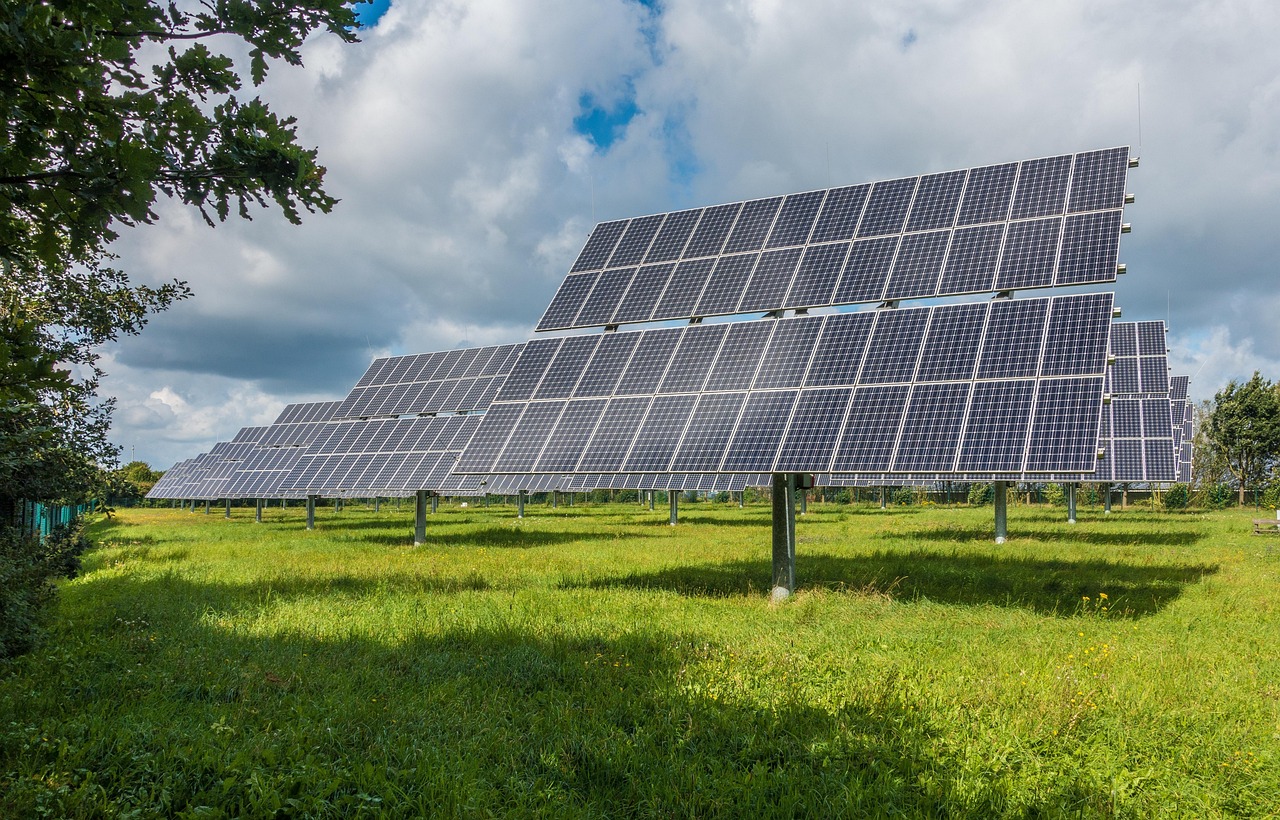
Beyond Solar Monument Light: Efficient Solutions
When considering lighting for monuments or landmarks, it's natural to expect a solution that balances aesthetics with sustainability—and Solar Monument Light often tops the list. However, while Solar Monument Light offers many benefits, such as reduced maintenance and environmental friendliness, there are situations where alternative options may better serve your needs. Understanding what to expect from Solar Monument Light and identifying signs that indicate its suitability is crucial for making an informed decision.
For instance, if your monument is situated in a low-light environment or has unique energy requirements, traditional solar lights might struggle to provide adequate illumination. In such cases, exploring alternatives like LED fixtures with advanced energy-saving capabilities can offer superior performance and longer lifespans. These options often incorporate motion sensors, ensuring energy efficiency while enhancing security. Furthermore, some innovative designs employ wireless charging technology, eliminating the need for cumbersome wiring and simplifying maintenance.
Another problem to avoid with Solar Monument Light is limited adaptability. Not all solutions are created equal; some manufacturers offer customizable models that can be tailored to specific monument shapes and sizes. If your landmark has intricate details or irregular contours, a flexible lighting system that accounts for these factors will ensure optimal visual impact. For example, LED strips with adjustable brightness and direction can illuminate hard-to-reach areas and highlight architectural features, creating a captivating display without excessive energy consumption. By considering these alternatives, you can achieve efficient lighting solutions tailored to your monument's unique characteristics and surrounding environment.
Illuminating Spaces: Eco-Friendly Options Reviewed

When considering illuminating spaces, especially outdoor monuments or landmarks, it's important to explore various eco-friendly alternatives to traditional energy-intensive lighting solutions. While Solar Monument Lights have gained popularity for their self-sustaining capabilities, there are several other options worth examining, each with unique advantages and applications. Understanding these alternatives can help you make an informed decision based on your specific needs and environmental considerations.
One prominent alternative is the use of Solar-Powered LED Lighting Systems. These systems harness solar energy during daylight hours and convert it into electricity to power LED bulbs at night. Unlike Solar Monument Lights, which are typically designed for independent operation, these systems can be integrated into larger networks, making them ideal for extensive outdoor lighting projects. For instance, a city could implement a network of solar-powered streetlights, reducing the carbon footprint associated with traditional grid-connected lighting. The process involves installing solar panels and control units, ensuring efficient energy capture and distribution, resulting in significant long-term cost savings and environmental benefits.
Another viable option is Wind-Turbine Lighting, which harnesses the power of wind to generate electricity for lighting purposes. This technology is particularly suitable for areas with consistent wind patterns. A creative example could be incorporating wind turbines into streetlights, providing illumination while contributing to renewable energy generation. While initial setup costs might be higher than solar alternatives, wind turbine lights offer a sustainable solution for remote locations not connected to the power grid.
Additionally, kinetic energy-driven lighting is an innovative approach where movement generates electricity. This technology can be employed in pedestrian areas or parks, where people's footsteps or bicycle traffic can activate lights. Such systems are not only eco-friendly but also serve as a unique form of public art and wayfinding. By choosing these alternatives to Solar Monument Lights, when appropriate, you contribute to a greener environment while exploring aesthetically pleasing and sustainable lighting solutions for various spaces.
Frequently Asked Questions About What are the alternatives to Solar Monument Light?
What are some cost-effective alternatives to solar monument lights? Solar energy is an excellent option for its environmental benefits, but traditional solar lights can be expensive. Cheaper alternatives include LED landscape lighting, which offers similar functionality at a lower upfront cost. Many local hardware stores carry a variety of LED options suitable for various applications, from path lighting to garden accents. Additionally, exploring discounted or closeout sections at outdoor supply stores can yield affordable, high-quality solutions.
How do I choose the right alternative if my primary concern is durability? Durability is a valid concern when considering alternatives. Look for lights with robust construction and weatherproof ratings. Stainless steel, aluminum, and die-cast materials are known for their longevity. Additionally, check for warranties and brand reputations. Established manufacturers often offer better guarantees, ensuring peace of mind over the long term.
Can I control the lighting schedule with alternative options? Many modern alternatives come equipped with programmable timers or remote controls, allowing you to set specific on/off times. Some even offer app-based control, enabling precise scheduling and customization. These features are particularly useful for security lighting or creating ambiance in outdoor spaces without manual adjustment.
Are there energy-efficient options besides solar lights? Absolutely. Energy efficiency is a key consideration for environmentally conscious consumers. LED lights, as mentioned earlier, are highly efficient and consume significantly less electricity than traditional incandescent bulbs. Additionally, exploring smart lighting systems that allow for dimming, motion detection, or voice control can further reduce energy usage and provide enhanced functionality.
How do I ensure the safety and security of alternative outdoor lighting? Safety is paramount when installing any lighting system. Ensure proper placement to avoid tripping hazards and blind spots. Incorporate motion sensors or timers to activate lights only when needed, enhancing security while conserving energy. Well-lit entryways and pathways are deterrents for potential intruders, making these features valuable additions to any alternative lighting setup.
Can solar alternatives provide the same level of brightness as traditional lights? The brightness of solar lights can vary widely depending on the wattage, panel efficiency, and battery capacity. High-quality solar lights can offer comparable brightness levels to traditional incandescent or LED lights. It's essential to read product specifications and user reviews to find options that meet your lighting needs effectively.
As we've explored the realm of sustainable lighting alternatives to Solar Monument Light, it's clear that efficient, eco-friendly solutions abound. Beyond the familiar, we've discovered a diverse array of options that illuminate spaces while minimizing environmental impact. From advanced LED technologies to innovative wind and water-powered systems, these alternatives offer not only aesthetic appeal but also significant cost savings and reduced carbon footprints. Integrating these solutions into urban landscapes, public spaces, and residential settings can foster a greener future, ensuring that our lighting needs are met without compromising the planet's well-being. This comprehensive review underscores the importance of choosing responsible lighting options, ultimately guiding folks toward informed decisions that resonate with today's sustainable values.