
At a glanceWhen dealing with Solar Monument Lights (this site's guide to solar monument lights), avoid poor installation that blocks sunlight, leading to weakened battery life. Also, be mindful of debris blocking the solar panel and ensure regular cleaning for optimal energy absorption. Additionally, protect the light from extreme weather conditions to prolong its lifespan.
Key Takeaways
- Avoid placing solar monument lights in shaded areas, as this will significantly reduce their energy absorption and brightness.
- Using high-quality, weatherproof fixtures can extend the lifespan of your solar lights, ensuring they withstand various weather conditions.
- Regular cleaning of the solar panel and LED lights will maintain optimal performance and lighting output.
- Consider the size and coverage area of the lights to ensure they provide adequate illumination for their intended purpose.
- Mounting lights at the correct angle is crucial for maximizing sunlight exposure and charging efficiency during the day.
- Avoid placing them in areas prone to vandalism or damage, as this can lead to frequent replacements and increased maintenance costs.
- Selecting lights with adjustable brightness and timing settings allows for customization to suit different needs and energy conservation.
The integration of Solar Monument Lights into urban landscapes has gained significant traction as cities seek sustainable and aesthetically pleasing lighting solutions. These energy-efficient fixtures offer a promising future for environmental stewardship and public safety, illuminating monuments and landmarks with minimal environmental impact. However, the path to successful implementation is not without challenges. This article delves into the critical problems often encountered with Solar Monument Lights, from initial design considerations to ongoing maintenance, providing an authoritative guide to help professionals navigate these obstacles and achieve optimal results.
Solar Monument Light in : Where to Start
Looking for solar monument light in ? Solar Path USA solar monument light serves the local area and can answer questions specific to .
Understanding Common Issues with Solar Monument Lights

When considering Solar Monument Lights, understanding potential issues is crucial for a successful implementation. A common mistake is assuming these lights, powered by renewable energy, are immune to all problems. The reality is, like any technology, Solar Monument Lights come with their share of challenges. These can range from initial installation hiccups to long-term performance issues. For instance, incorrect placement can lead to shadowing, reducing the light’s effectiveness. Moreover, poor-quality components might result in frequent malfunctions or decreased light output over time.
What do you need to qualify for Solar Monument Light? Quality, durability, and efficient design are non-negotiable. Before hiring, ask questions like: How well does the manufacturer address potential issues? Do they offer maintenance plans? What warranties are provided? These queries can help uncover potential pitfalls and ensure a reliable solution. Alternatives exist, from traditional streetlights to other solar-powered options, each with its pros and cons. Comparing these against Solar Monument Lights can offer valuable insights, highlighting the best fit for specific needs.
To avoid disappointment, conduct thorough research and engage with reputable providers. Consider case studies and client reviews to gauge the real-world performance of various solutions. For instance, data from the Solar Energy Industries Association (SEIA) can provide valuable insights into the reliability and return on investment of solar lighting projects. Remember, preventing issues through informed decisions is more effective than addressing them after the fact.
Preventing Power Failures: Maintenance Tips
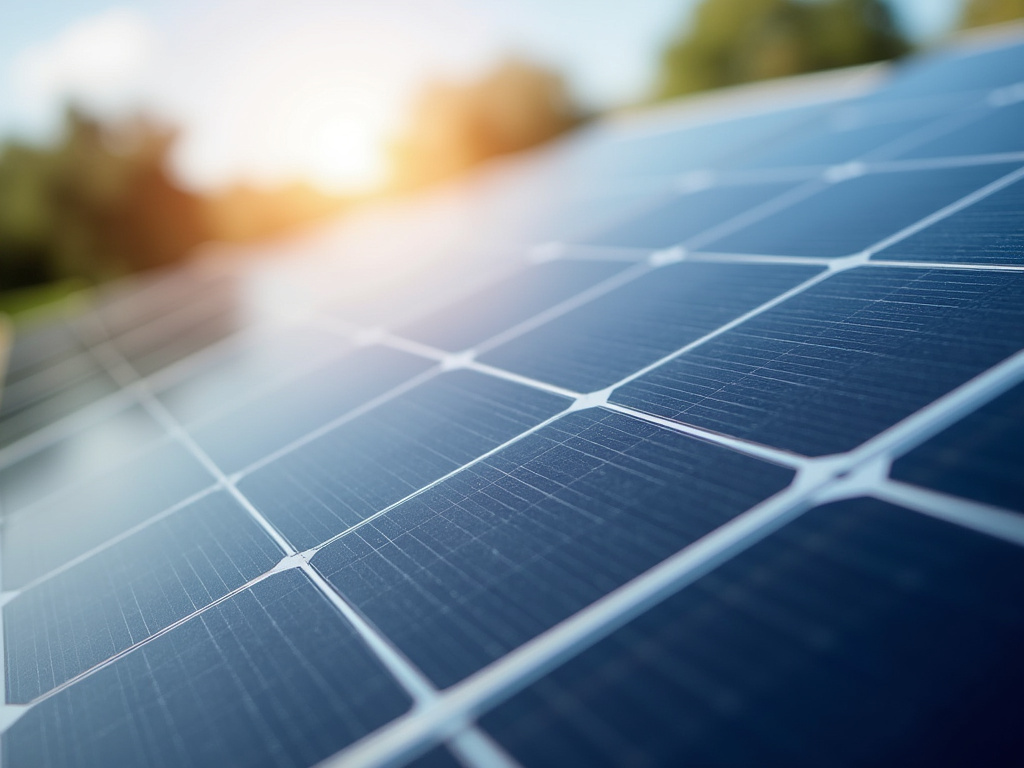
Preventing power failures is a critical aspect of maintaining the effectiveness and longevity of your Solar Monument Light. While these lights are designed to operate independently of the grid, regular maintenance is essential to ensure they function optimally, especially in remote or hard-to-reach locations. One of the primary challenges with solar-powered lights is managing energy storage and distribution, which can be affected by various factors, including weather conditions and battery health.
Before hiring a Solar Monument Light service provider, ask these crucial questions: How often do batteries need replacing? What types of batteries are used, and how do they hold up over time? What maintenance routines are recommended, and who handles battery recycling? Regular check-ins and battery health monitoring can prevent unexpected outages. It’s also vital to consider the light’s placement and any potential obstructions that could impact sunlight exposure, as this directly affects energy generation.
While Solar Monument Lights offer an appealing solution for off-grid lighting, they might not be suitable for every situation. For instance, in extremely remote areas with limited sunlight, traditional power systems or alternative renewable energy sources could be more reliable. Additionally, for temporary lighting needs, renting or exploring other portable solutions might be more cost-effective. However, for permanent installations in well-lit locations, these lights can be an excellent, sustainable choice. Regular maintenance and proactive monitoring are key to ensuring your Solar Monument Light avoids power failures and provides consistent illumination.
| Factor | What to know |
|---|---|
| Placement & shadows | Avoid shaded areas or obstructions that block sunlight and reduce charging |
| Debris & cleaning | Regularly clean solar panels and LEDs to maintain performance |
| Weatherproofing | Use high-quality, weatherproof fixtures to withstand harsh weather |
| Mounting angle | Mount at correct angle to maximize sunlight exposure and charging |
| Vandalism risk | Avoid locations prone to vandalism to reduce maintenance costs |
| Maintenance questions | Ask about battery lifespan, replacement, and maintenance plans before hiring |
Choosing the Right Location: Avoiding Shadow Interference
Choosing the optimal location for your Solar Monument Light is paramount to ensure its efficiency and effectiveness. One of the most significant problems to avoid is shadow interference from surrounding structures or objects. Trees, buildings, or other tall obstacles can block sunlight during certain times of the day, hindering the charging process of the solar panels integrated into the light. This issue can lead to reduced energy generation and, consequently, diminished light output over time.
When selecting a site, consider the sun’s path throughout the day and year. Ideal locations receive direct, unobstructed sunlight for the majority of the daylight hours. Using tools like solar path trackers or consulting with professionals who specialize in renewable energy can help identify areas where shadows are minimal. For instance, a tall tree might cast a shadow during summer mornings but not align with the sun’s path until late afternoon, allowing for ample charging periods. Additionally, mounting the Solar Monument Light at a slight angle can mitigate some shadow effects, ensuring it captures sunlight from various angles.
Understanding the Solar Monument Light process involves recognizing its reliance on solar energy. These lights harness sunlight through photovoltaic (PV) cells, which convert the light into electricity. The generated power is then stored in a rechargeable battery, enabling continuous operation even after sunset. However, consistent performance relies on sufficient sunlight access. Therefore, avoiding locations with frequent shadow interference not only ensures optimal light output but also prolongs the lifespan of your Solar Monument Light investment, potentially saving you money in the long run by reducing the need for frequent replacements or repairs.
Frequently Asked Questions About What problems should you avoid with Solar Monument Light?
What are the main advantages of using a solar monument light?
Solar monument lights offer several benefits, including energy efficiency as they harness renewable sunlight, reduced electricity bills, and minimal environmental impact. They provide a cost-effective solution for illuminating landmarks, memorials, and other outdoor structures, enhancing visibility and safety while promoting sustainability. Their automatic operation means less maintenance, making them ideal for remote or hard-to-reach locations.
How do I ensure the solar panel receives enough sunlight?
Positioning is key. Place the solar panels in an area with direct access to sunlight for most of the day. Avoid shading from nearby trees, buildings, or other structures that could impede sunlight exposure. Cleaning the panels regularly also ensures optimal performance as dirt or debris can reduce energy absorption.
Can these lights operate during cloudy or rainy days?
Yes, solar monument lights are designed to store excess energy generated during sunny periods for use when sunlight is limited. They incorporate high-efficiency batteries that retain charge, allowing them to continue operating even on cloudy or rainy days, ensuring consistent illumination.
Are there any maintenance requirements for these lights?
Beyond occasional cleaning of the panels, minimal maintenance is required. The internal components are sealed and protected against moisture and corrosion, eliminating the need for regular servicing. Replace batteries periodically as per manufacturer recommendations to ensure optimal performance.
What are some potential issues with poor installation?
Improper installation can lead to inadequate charging, reduced light output, and premature battery failure. Common problems include incorrect panel orientation, inefficient sunlight capture due to shading, or suboptimal battery placement. Professional installation is recommended to avoid these issues and ensure the system functions optimally.
How do I choose the right solar monument light for my application?
Consider factors like lighting requirements, ambient temperature, available space, and budget. Assess the lumens (brightness) needed for your location and select a model with adjustable brightness settings if desired. Check compatibility with your existing infrastructure and consult with professionals to ensure the best fit for your needs.
By addressing common issues like power failures through regular cleaning and maintenance, choosing optimal locations free from shadow interference, and selecting the right Solar Monument Light designed for robust performance, you can maximize the effectiveness and longevity of these renewable lighting solutions. This article has equipped readers with essential insights to avoid pitfalls and ensure their Solar Monument Lights operate seamlessly, enhancing outdoor aesthetics and sustainability.